
Gas Detection
Confined space entry and rescue demand preparation for the unexpected, and a portable gas detector is a must-have. These essential tools detect dangerous gases like carbon monoxide or hydrogen sulfide before they pose a threat, keeping you and your team safe. Explore our range of gas detectors, gas leak monitors, and gas testing equipment, including the industry-leading MSA Altair 4XR Gas Detector. Whether you're managing routine inspections or emergency situations, our gas detection solutions help you stay compliant, stay safe, and stay prepared. Shop portable gas detectors online today, or contact our team for expert advice and additional product options.
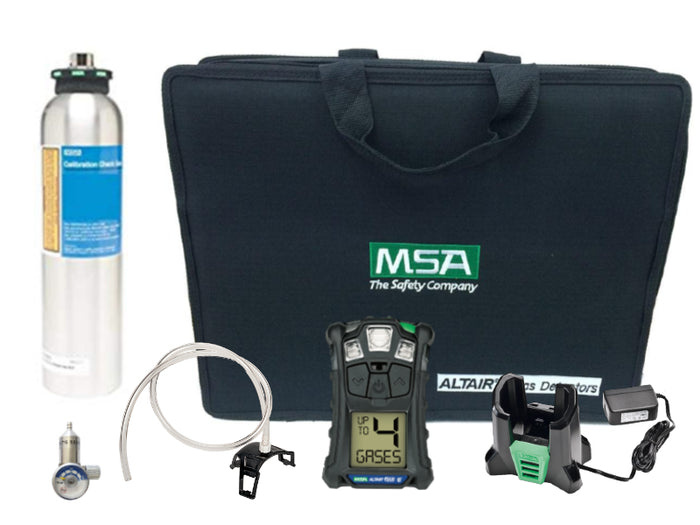
MSA Altair 4XR Multigas Detector - Charcoal Kit
- Regular
- $3,195.00
- Sale
- Now $3,195.00
- Regular
-
Was $4,215.00
- Unit Price
- per
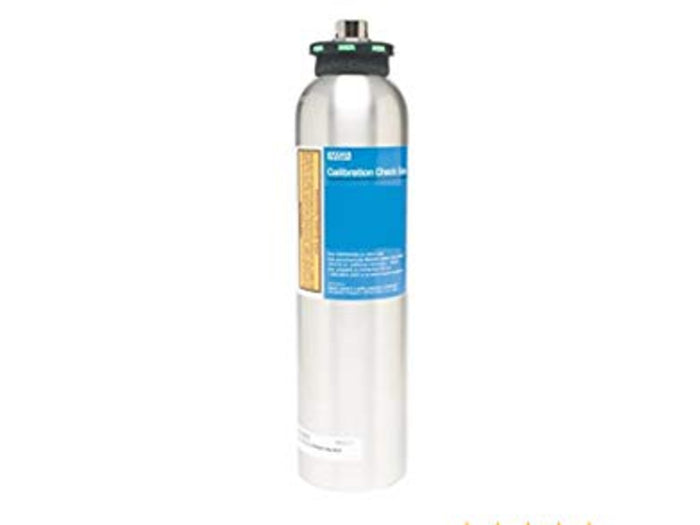
MSA Calibration Gas
- Regular
- $639.00
- Sale
- Now $639.00
- Regular
-
Was $799.00
- Unit Price
- per
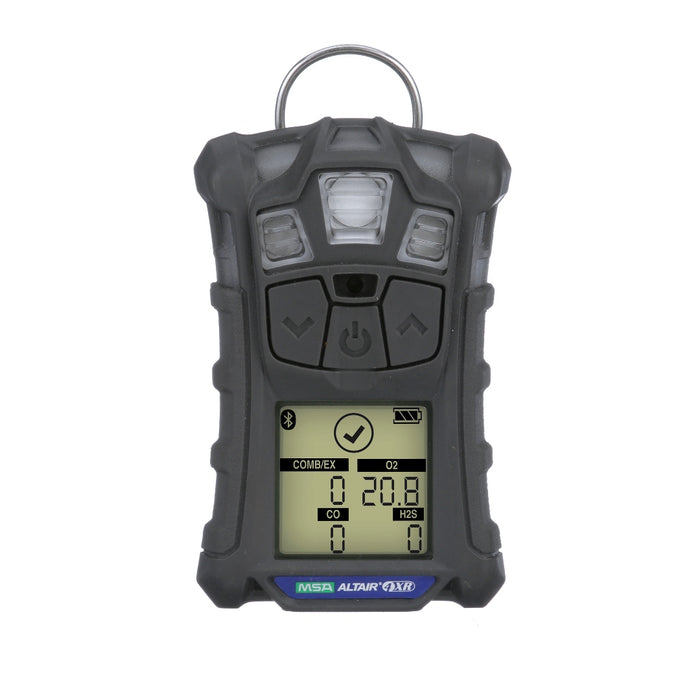
MSA Altair 4XR Multigas Detector - Charcoal
- Regular
- $2,645.00
- Sale
- Now $2,645.00
- Regular
-
Was $3,565.00
- Unit Price
- per
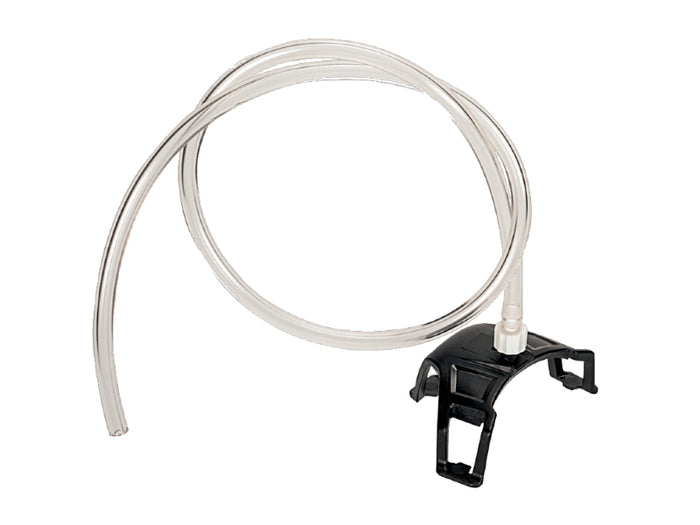
MSA Calibration Cap Assembly
- Regular
- $69.95
- Sale
- Now $69.95
- Regular
-
Was $89.95
- Unit Price
- per
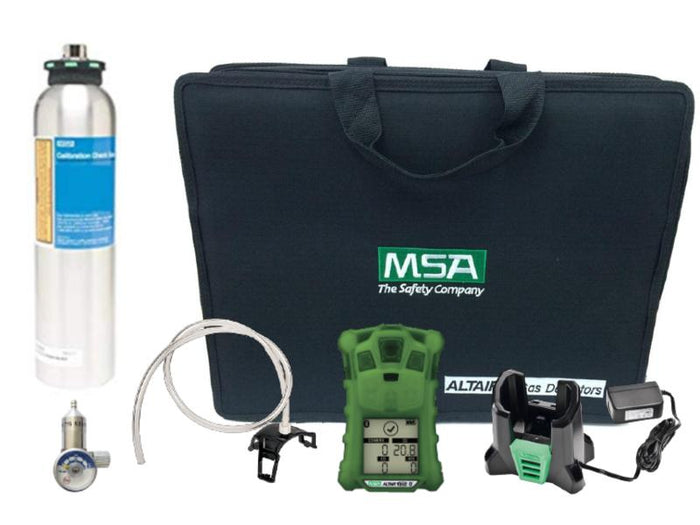
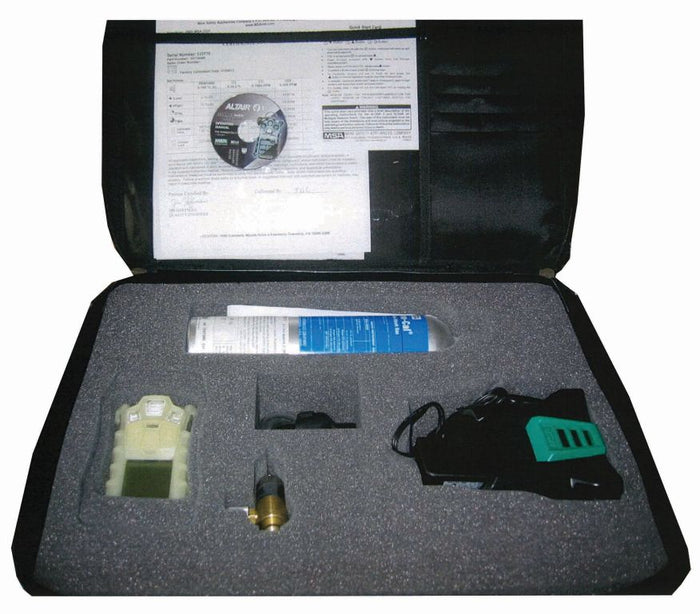
MSA Altair 4XR Multigas Detector - Glow Kit
- Regular
- $3,495.00
- Sale
- Now $3,495.00
- Regular
-
Was $4,785.00
- Unit Price
- per
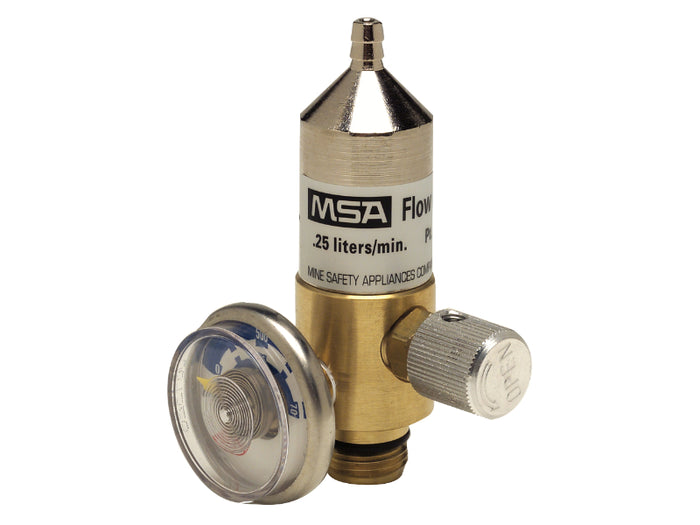
MSA RP Fixed Flow Regulator
- Regular
- $434.95
- Sale
- Now $434.95
- Regular
-
Was $549.00
- Unit Price
- per
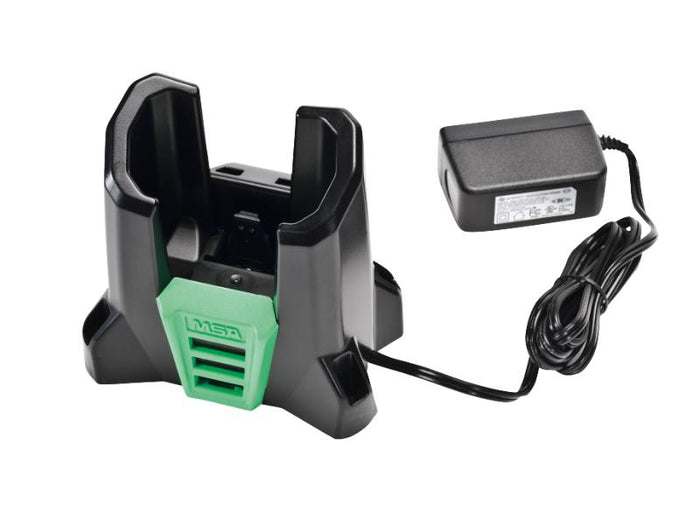
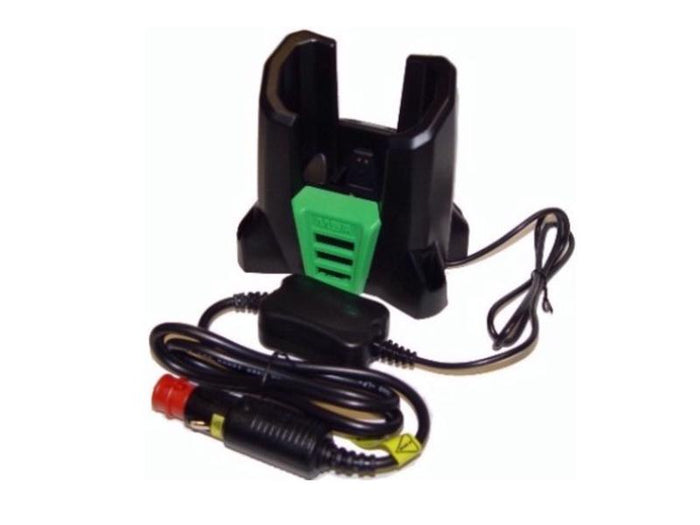
MSA Altair Charger Cradle
- Regular
- $539.00
- Sale
- Now $539.00
- Regular
-
Was $669.00
- Unit Price
- per
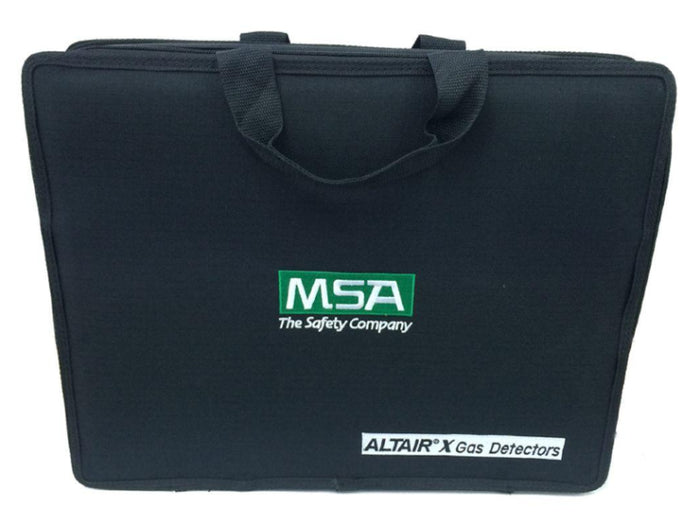
MSA Altair Carry Case
- Regular
- $529.00
- Sale
- Now $529.00
- Regular
-
Was $659.00
- Unit Price
- per
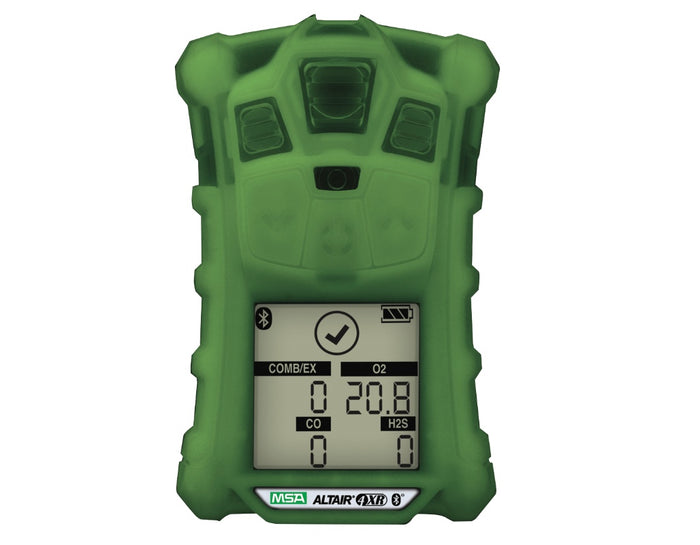
MSA Altair 4XR Multigas Detector - Glow
- Regular
- $2,995.00
- Sale
- Now $2,995.00
- Regular
-
Was $3,745.00
- Unit Price
- per
Gas Detection for Confined Space Entry and Hazardous Atmospheres
In confined space work, gas testing is not a box to tick. It is one of the first controls used to establish whether entry is safe, what hazards are present, and whether conditions are changing while the work is underway.
Gas detection requirements vary from one job to the next. In some situations, a single-gas unit is enough. In others, a multi-gas detector is the more appropriate choice because the hazard is not limited to one gas or one reading. The right instrument depends on the atmosphere being tested, the work area, and how the detector will be used before and during entry.
What Buyers Are Usually Trying to Solve
Most buyers in this category are not browsing casually. They are trying to solve a known safety problem.
You may need a portable gas detector for confined space entry. You may be replacing an existing gas monitor used for routine site checks. You may be looking for gas detection equipment that suits a particular industry, work area, or gas risk. In every case, the real question is not just which detector to buy. It is whether the instrument suits the atmosphere being tested, the way it will be used, and the level of confidence required before work starts.
How to Choose the Right Gas Detector
The right gas detector starts with the hazard, not the product name.
- Start with the gases you need to detect. Some applications call for a single-gas monitor. Others require a multi-gas detector for oxygen, flammables, and toxic gases.
- Look at the work environment. Confined space entry, plant maintenance, leak investigation, and general site monitoring can create different requirements.
- Think about how the unit will be used. Personal gas monitors, handheld gas detectors, and portable gas detection units all suit different styles of work.
-
Choose equipment that fits the task, not just the category. A gas leak detector used for spot checking is not always the same thing as a confined space gas monitor used before and during entry.
Choose Gas Detection Equipment That Matches the Risk
Gas detection only works when the instrument suits the atmosphere, the task, and the way the job is being carried out. That applies whether you are choosing a portable gas detector, a gas monitor, a gas leak detector, or broader gas testing equipment for confined space work.
Height Dynamics supplies gas detection equipment for customers who need practical solutions and clear guidance. When atmosphere risk is part of the job, detector choice matters.
Gas Detection FAQs
What is a portable gas detector used for?
A portable gas detector is used to check for hazardous gases in the atmosphere before and during work.
It is commonly used in confined space entry, maintenance, inspections, and other situations where oxygen levels, toxic gases, or flammable gases may present a risk.
What is the difference between a gas detector and a gas monitor?
The terms are often used interchangeably, but context matters.
Some buyers use gas detector to describe the instrument itself, while gas monitor is often used when the focus is on continuous checking before or during work. In practice, the important question is what gases the unit monitors and how it will be used on site.
Do I need a single-gas or multi-gas detector?
That depends on the hazard profile of the environment.
If the risk is limited to one known gas, a single-gas detector may be suitable. If oxygen deficiency, flammables, or multiple toxic gases are possible, a multi-gas detector is often the better choice.
Why is gas detection important for confined space entry?
Because confined spaces can contain atmospheres that are unsafe without obvious warning signs.
A confined space gas detector helps identify oxygen deficiency, flammable gas build-up, and toxic gases before entry and while work is being carried out.
Is a gas leak detector the same as confined space gas testing equipment?
Not always. A gas leak detector may be used for locating or checking leaks, while confined space gas testing equipment is selected around pre-entry testing and atmospheric monitoring.
The right choice depends on whether the task is leak investigation, routine testing, or ongoing atmosphere monitoring.