
Dynamic Rope
Discover our premium dynamic ropes, designed to elevate your climbs, rescues, and rope access projects. Unlike static ropes, dynamic ropes are crafted for movement and impact absorption, providing essential support during falls or high-stress situations. Available in a range of diameters, including 6mm, 8mm, 9mm, and 11mm, our ropes strike the perfect balance of weight, handling, and strength to suit your specific requirements. Experience superior quality and safety—shop our dynamic ropes today.
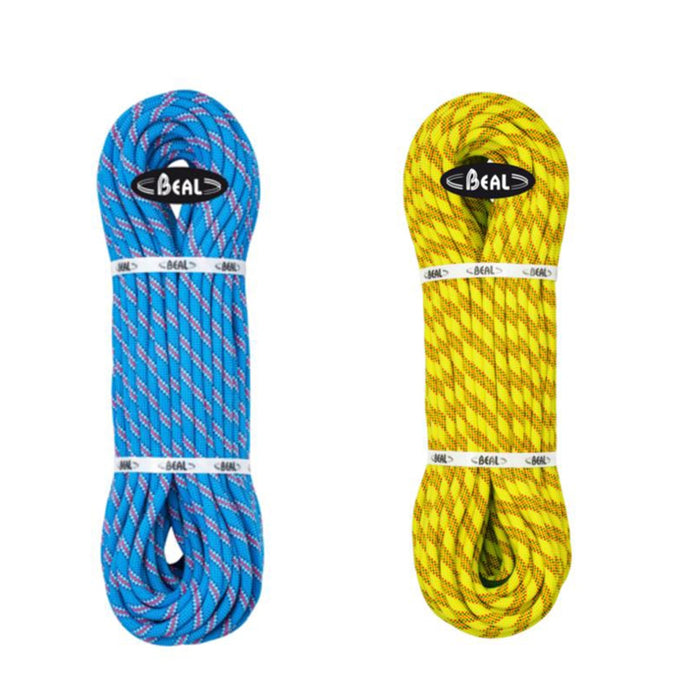
BEAL ANTIDOTE 10.2 Dynamic Rope
- Regular
- $4.59
- Sale
- Now $4.59
- Regular
-
Was $5.95
- Unit Price
- per


EDELRID Dynamite 11.0 mm Dynamic Rope
- Regular
- $6.95
- Sale
- Now $6.95
- Regular
-
Was $7.95
- Unit Price
- per
Why dynamic rope matters for climbing
Dynamic rope is built to stretch, and that is the whole point. When a lead climber falls, the rope absorbs the shock by stretching, which reduces the force on the climber and the gear. That controlled give is what makes a fall survivable and comfortable. It is why dynamic rope is the standard for lead climbing and mountaineering, where falls are part of the activity.
This is the opposite of static rope, which is built to stay put under load for access, rescue and hauling. Match the rope to the job: dynamic for climbing, static for access.
How our dynamic rope is different
We are an independent height safety specialist, so we stock dynamic rope from the brands we trust, in the diameters and lengths climbers need.
Our dynamic ropes are built to recognised climbing standards, with kernmantle construction that gives you a tough sheath over an energy-absorbing core. You get the stretch, handling and durability climbing demands.
For access and rescue lines, see our static rope. Set up your kit with climbing harnesses, locking carabiners and climbing gloves.
How to choose the right dynamic rope for you
- Diameter. Thicker ropes are more durable and easier to handle. Thinner ropes are lighter for long routes. Match it to your climbing and devices.
- Length. Choose a length that suits your routes and gym or crag. Buy for the pitches you climb.
- Single, half or twin. Different rope systems suit different climbing. Make sure the rope matches how you climb.
- Use. Dynamic rope is for climbing and mountaineering. For rope access, rescue and abseiling, use static rope.
FAQs about Dynamic Rope
What is dynamic rope used for?
Lead climbing and mountaineering, where the rope needs to stretch and absorb the shock of a fall to protect the climber.
What is the difference between dynamic and static rope?
Dynamic rope stretches to absorb falls, which suits climbing. Static rope has very low stretch and stays put under load, which suits rope access, rescue and abseiling. They are not interchangeable.
Can I use dynamic rope for abseiling or rope access?
It is not ideal. The stretch that protects a climbing fall makes it bouncy and inefficient for access and rescue. Use static rope for those.
What diameter dynamic rope should I get?
It depends on your climbing and devices. Thicker ropes are durable, thinner ropes are lighter. Check your gear and ask us if unsure.
What is kernmantle construction?
A tough outer sheath (mantle) over a load-bearing core (kern). It gives dynamic rope its strength, durability and controlled stretch.